Landscape Design in Bend, OR
A rough yard layout can leave the finished space feeling disconnected and hard to use.
Request an Estimate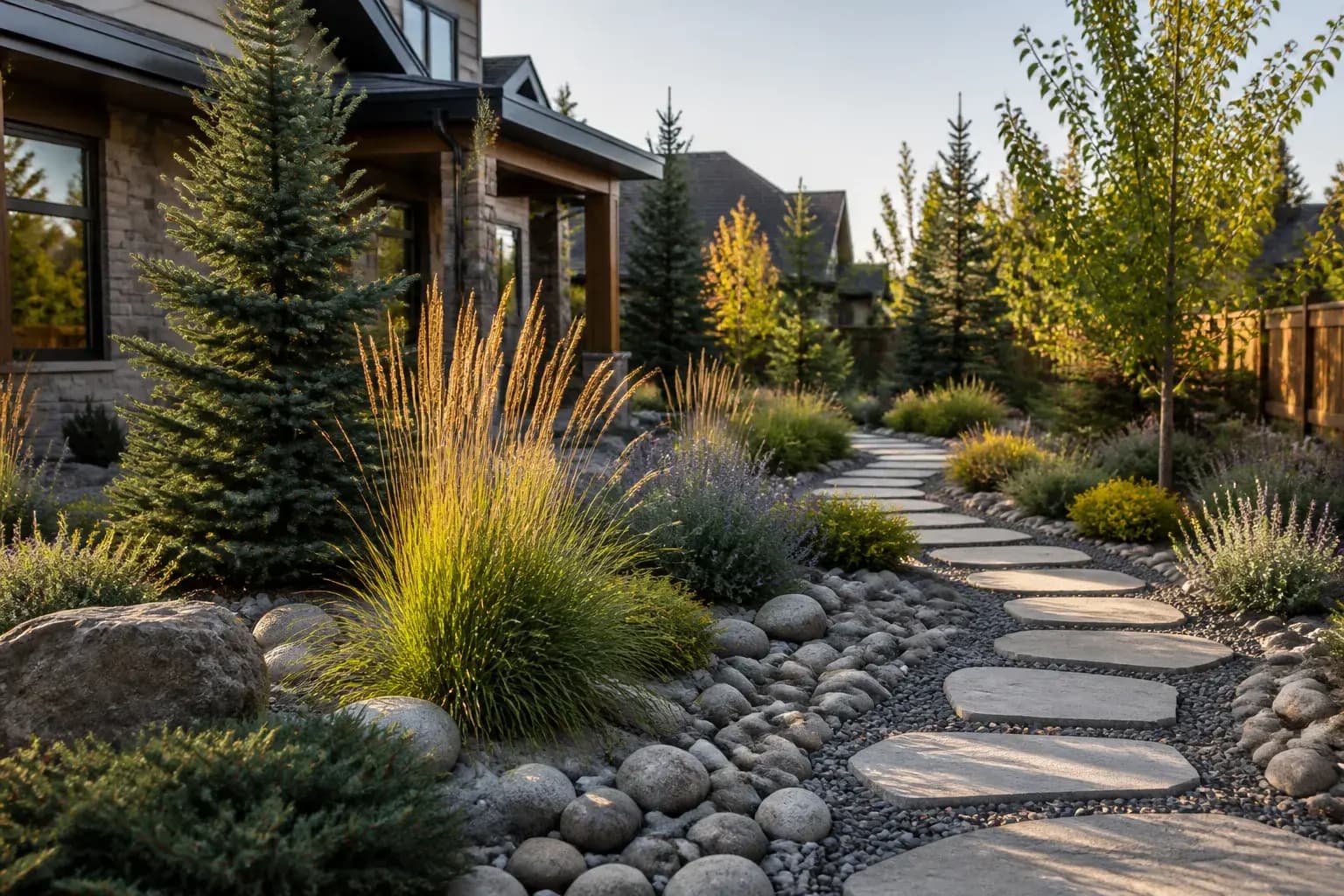
Your yard may feel like a collection of pieces that never quite work together. Maybe the front entry lacks a clear path, the planting beds look thin half the year, or the backyard has room but no real purpose. When the layout does not match how you live, even small outdoor tasks start to feel frustrating.
If you are ready to change that, Juniper Hollow Landscaping can help you shape a landscape plan that makes sense from the start. We design residential landscapes in Bend with drought-tolerant planting, patios and paths, and irrigation considerations built into the conversation, so the finished space is easier to use and easier to maintain.
What good design solves
A strong landscape design does more than make a yard look finished. It gives every part of the property a clear job. Some areas should create shade or soften a wall, others should lead people where they need to go, and others should stay simple so they do not demand constant attention.
When the design is handled well, you get:
- Clear circulation: Paths and patio spaces connect the home to the yard without awkward detours or muddy shortcuts.
- Better plant placement: Shrubs, perennials, and groundcovers are placed where they have room to grow instead of crowding each other.
- Less visual clutter: Repeated plant choices, clean bed lines, and well-sized hardscape features make the yard feel intentional.
- Smarter watering zones: Irrigation planning can support different plant needs instead of treating the whole yard the same.
- A yard that fits your routine: Spaces are arranged around how you enter, entertain, relax, and move through the property.
Juniper Hollow Landscaping focuses on residential landscape design that feels practical from day one, not just attractive on paper.
Signs your yard needs a plan
Some landscape problems are obvious, while others show up as small annoyances that repeat all season. If your outdoor space never seems to settle into place, design may be the missing piece.
- The entry feels unfinished. A front yard without a clear path, bed structure, or planting rhythm can make the home feel less welcoming.
- The backyard has dead zones. Large open areas are useful only when they are shaped for seating, play, planting, or movement.
- Beds look patchy. If plant size, spacing, or sun exposure were not considered, the yard can look thin in some spots and crowded in others.
- Watering feels inconsistent. When irrigation and planting are not planned together, some areas receive too much water while others dry out too quickly.
- Cleanup is harder than it should be. A yard with scattered features and no clear structure usually takes more time to trim, edge, and clear.
If one or more of those sound familiar, a thoughtful design can help turn the property into a space that works better in every season.
Our design process
Landscape design should feel guided, not confusing. We keep the early stage clear so you can make decisions with confidence and understand how the finished layout will function.
1. Listen to how you use the yard
We start by learning what is not working and what you want the landscape to do. Some homeowners want a quiet sitting area, while others want cleaner circulation, better curb appeal, or a planting plan that does not require constant rework.
2. Review the site
We look at the shape of the property, existing features, and the areas that need more structure. This helps us identify where patios, paths, planting beds, and irrigation planning should support each other instead of competing for space.
3. Shape the layout
Next, we define the main areas of the yard. That can include a patio for gathering, a path that connects spaces naturally, or planting zones that add softness without making the yard feel crowded.
4. Refine the planting plan
We recommend drought-tolerant planting choices that suit the space and the intended look. The goal is a landscape that feels considered and does not rely on constant fussing to stay presentable.
5. Prepare for installation
Once the design direction is clear, we can move into the build phase with fewer surprises. That makes the project cleaner, more efficient, and easier to follow from start to finish.
Design choices that matter
Good landscape design is made of practical decisions, not random add-ons. A few details can change how the whole yard feels and how much care it needs later.
- Plant scale: Large plants need room to mature, and smaller plants can be used to create texture without overwhelming the yard.
- Bed edges: Clean, deliberate bed lines help the landscape look organized and make trimming easier.
- Surface transitions: Patios and paths should connect smoothly so the space feels comfortable to walk through.
- Water needs: Drought-tolerant planting paired with thoughtful irrigation zones can reduce waste and support healthier establishment.
- Seasonal interest: A balanced mix of plant forms keeps the yard from looking flat once one bloom cycle ends.
- Maintenance level: The right design respects how much time you want to spend caring for the landscape.
Juniper Hollow Landscaping keeps those decisions tied to the property itself, so the final plan feels built for the home instead of copied from somewhere else.
Design for Bend homes
A landscape that works in one place may feel out of place somewhere else. In Bend, homeowners often want a yard that looks composed, uses water thoughtfully, and still feels comfortable to live in.
That is why we focus on residential designs that combine structure and simplicity. A patio can anchor the yard without taking over. A path can guide movement without breaking up the space. Drought-tolerant planting can add color and texture without creating a heavy upkeep burden. Irrigation can be planned to support the design rather than being treated as an afterthought.
For many properties in Bend, the most successful landscapes are not the most complicated ones. They are the ones with a clear layout, chosen materials, and planting that suits the way the property is used.
What you can expect
A homeowner should know what will happen before the project starts. Clear expectations make the whole process easier.
- Straight answers: We explain what the yard needs, what it does not need, and where the project should begin.
- Tidy planning: The design is organized so the installation phase can move without confusion.
- Practical choices: We focus on features that support daily use, not just visual appeal.
- Clean crews: When the design moves into build work, the site is handled with care and kept orderly.
- Clear quotes: You get straightforward pricing information before work begins, so there is less guesswork.
If your project includes patios and paths, irrigation, or seasonal cleanup after installation, the design can account for those pieces from the beginning.
Common questions
How do I know if I need landscape design or just planting?
If the yard feels disorganized, hard to move through, or too thin in some areas, design is usually the better starting point because it sets the structure before planting begins.
Can a design help a small yard feel more usable?
Yes. Smaller spaces often benefit the most from a clear plan because every square foot has to work harder.
Do I need to know exactly what I want before calling?
No. It helps to know what frustrates you now, and we can help shape the rest into a workable direction.
Can the design include a patio or path?
Yes. Patios and paths are often part of the landscape plan because they affect how people move through and use the yard.
Will the planting plan include low-water options?
Yes. We can build around drought-tolerant planting choices that suit the site and the look you want.
What if I want the yard to be easier to maintain?
That is a common goal, and design is one of the best ways to reduce future headaches by simplifying layout, plant placement, and transitions.
Start the process
If your yard feels unfinished, hard to use, or disconnected from the way you live, landscape design is the place to start. Juniper Hollow Landscaping creates residential plans that bring together planting, patios and paths, irrigation considerations, and seasonal cleanup needs into one practical approach.
Whether you are improving a front entry, rethinking a backyard, or planning a full property update, we can help you move from vague ideas to a clear direction. Homeowners in Bend, Redmond, Sisters, and Sunriver can count on a straightforward process, clear quotes, and tidy crews when the time comes to build.
Reach out when you are ready to give your landscape a plan that fits the home and the way you want to use it.
How We Work
A Clear Landscaping Process
Every project starts with a conversation about your yard, your goals, and the space you want to improve.
- 01
Walk The Site
We look at the property, discuss the layout, and note what the landscape needs.
- 02
Plan The Work
You get a clear plan for planting, hardscape, irrigation, or cleanup.
- 03
Build And Finish
We complete the project carefully and leave the yard ready to enjoy.
FAQ
Common Landscaping Questions
What kinds of landscaping projects do you handle?
We design and build residential landscapes, including planting, patios and paths, irrigation, and seasonal cleanup.
Can you help with a yard that needs a full reset?
Yes, we can look at the property and recommend the improvements that will make the biggest difference first.
Do you work with drought-tolerant plants?
Drought-tolerant planting is one of our main services and a good fit for Central Oregon conditions.
Can you improve irrigation for an existing landscape?
Yes, we can help with irrigation work that supports healthier plants and more even coverage.
Do you take on smaller cleanup jobs?
Seasonal cleanup is a good option when the yard needs a refresh without a full redesign.
Get started
Ready to Plan Your Yard
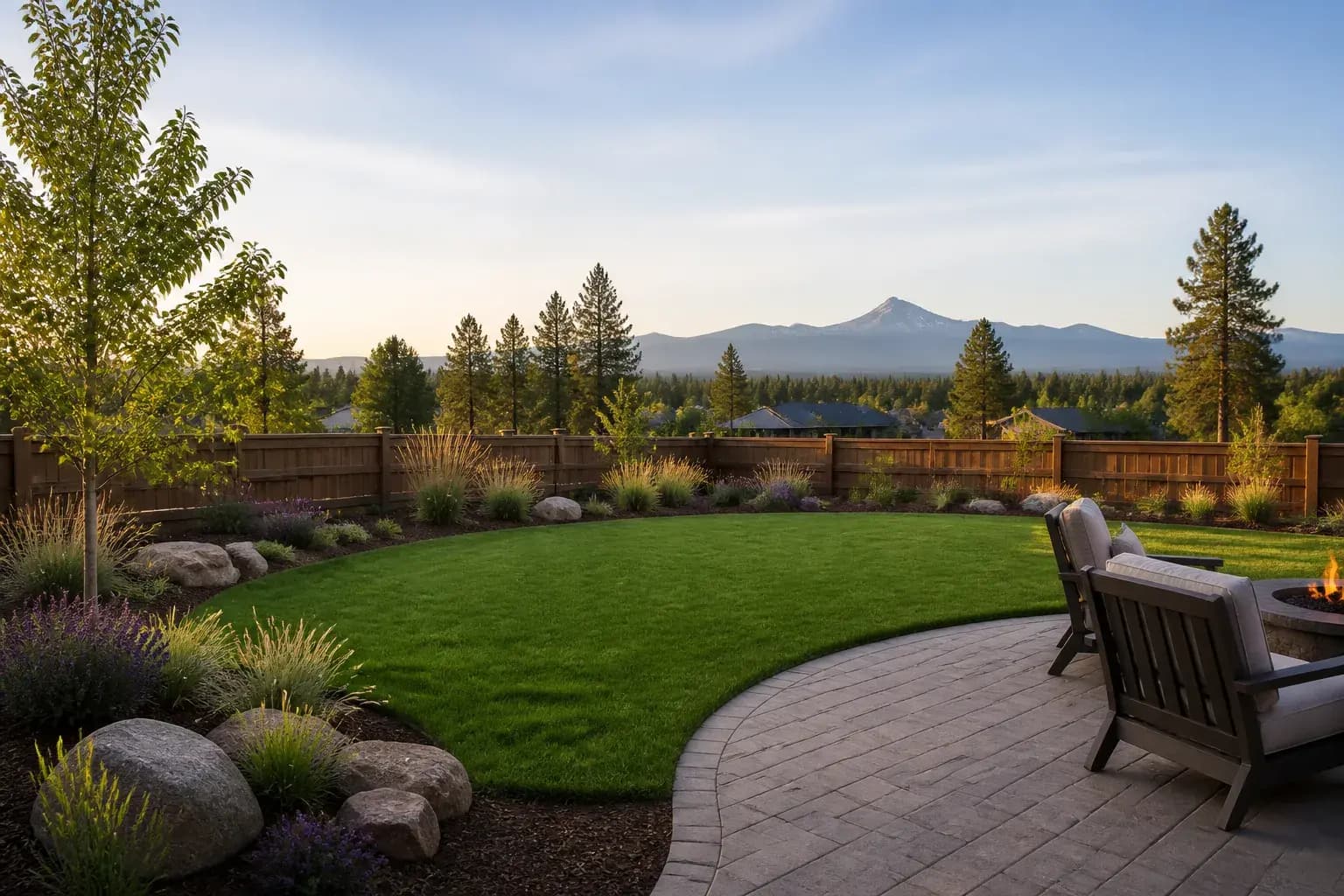
Tell us what you want to change, and we will help you choose the right landscape work for your Bend home.